

Introduction
The way we live online has changed. In 2026, people don’t just use the internet they build careers, businesses, and entire communities there. We attend virtual meetings, work with AI assistants, manage digital assets, and connect across global platforms every day. Because of this, digital identity has become one of the most important parts of modern technology. This is where Asiaks enters the conversation.
Asiaks is a flexible approach to digital identity that helps individuals and businesses create one strong, consistent presence across the internet. Instead of juggling many unrelated usernames and profiles, this model focuses on unity, control, and long-term growth.
In a world driven by artificial intelligence, cloud systems, and virtual environments, identity must be secure, adaptable, and easy to manage. This article explains what Asiaks means, why it matters in technology today, and how you can build your own digital presence in a simple and practical way.
What Is Asiaks?
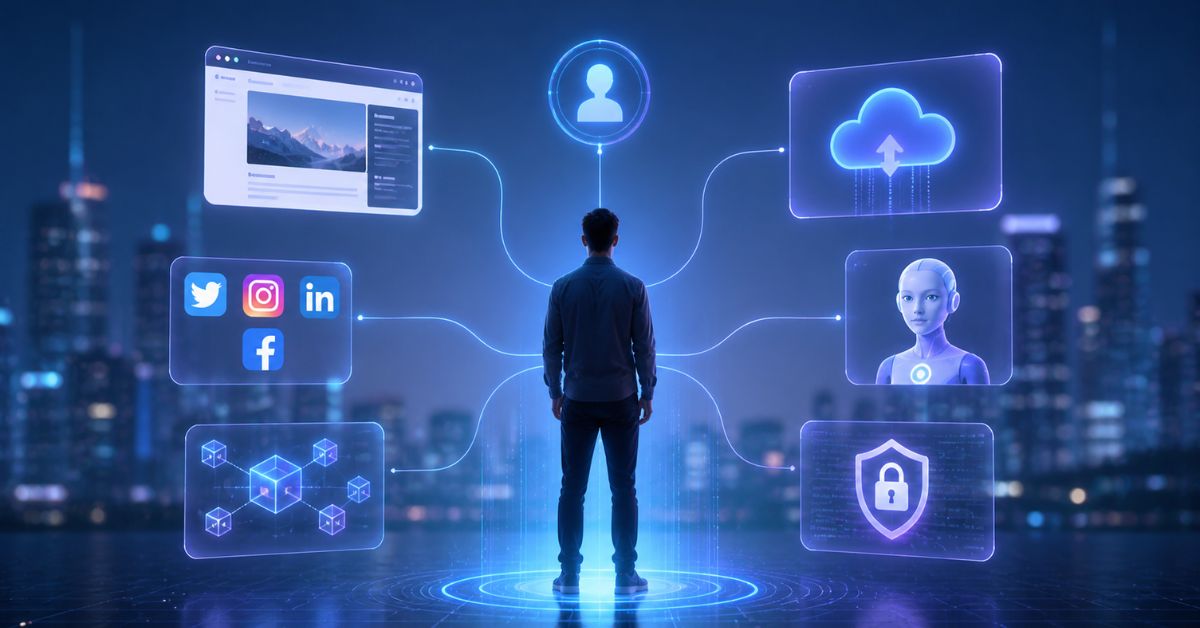
Asiaks is a modern concept that represents a unified and flexible digital identity. Rather than being tied to one platform, it acts as a core identity that connects your online presence across websites, apps, and digital systems.Think of it as your digital foundation.
Traditional online identities often belong to specific platforms. If that platform changes its rules or shuts down, your presence can disappear. Asiaks focuses on ownership and consistency, giving users more control over how they appear and interact online.
In simple terms, it helps you:
- Maintain one recognizable identity
- Stay consistent across platforms
- Adapt to new technologies
- Protect your digital presence
This approach has gained attention in 2026 because people now operate in multiple digital environments every day. A unified identity reduces confusion and builds clarity.
Why Digital Identity Is More Important Than Ever
Ten years ago, digital identity was basic. An email address and a social media account were enough. Today, the situation is very different.
Modern users interact with:
- Artificial intelligence tools
- Remote work platforms
- Virtual meeting spaces
- Online marketplaces
- Digital finance systems
With so many accounts and profiles, identity can become scattered. Different usernames, outdated bios, and inconsistent branding create confusion. This can affect personal reputation and business credibility.
A flexible identity model solves this issue by bringing everything together under one clear structure. It allows users to grow without constantly rebuilding their online presence.As technology continues to expand into virtual and AI-powered spaces, digital identity must also evolve. A structured system like Asiaks supports that evolution.
Core Features of Asiaks in 2026
The reason this concept is gaining popularity is because it fits the needs of modern digital life. It is designed for flexibility and long-term use.
Here are some important characteristics:
- Cross-platform compatibility
- User control over branding
- Strong security focus
- Adaptability to emerging technologies
- Clear and consistent presentation
Instead of depending entirely on social networks, users create a foundation that can connect to many systems.
Asiaks also works well in environments where AI systems analyze and interact with digital profiles. A clear and consistent identity improves communication between humans and intelligent tools.
Asiaks vs Traditional Digital Identity Systems
Understanding the difference between older systems and this modern approach helps explain its value.
Traditional Identity vs Modern Flexible Identity
| Feature | Traditional Online Identity | Asiaks Approach |
| Ownership | Platform-controlled | User-managed |
| Flexibility | Limited | High |
| Consistency | Often fragmented | Unified |
| Adaptation to New Tech | Slow | Designed to evolve |
| Long-Term Stability | Uncertain | More stable |
Traditional identities work well inside one app. However, they struggle in a connected digital world. A flexible model provides stability and continuity even when technology changes.
How It Supports Personal and Business Growth

In 2026, digital presence affects real-world opportunities. Employers, clients, and collaborators often look at online profiles before making decisions.
A unified identity helps in several ways:
- Builds recognition
- Reduces confusion
- Strengthens professional image
- Makes communication clearer
For businesses, consistency improves trust. Customers feel more confident when a brand looks the same across platforms.
For individuals, a strong digital foundation makes networking easier. When everything connects clearly, people understand who you are and what you offer. This is one reason Asiaks has become part of conversations about future-ready branding and technology strategy.
How to Build Your Own Flexible Digital Identity
Creating a strong identity does not require advanced technical skills. It requires thoughtful planning.
First: choose a name that represents you or your brand. Keep it simple and easy to remember. Avoid trends that may become outdated.
Second: create a central digital hub. This could be a personal website or a main profile page. This hub acts as your base.
Third: align your online accounts. Use similar profile images, descriptions, and tone of voice.
Finally: secure your accounts. Use strong passwords and enable multi-factor authentication.
Simple Setup Plan
| Step | Action | Why It Matters |
| 1 | Select a consistent name | Builds recognition |
| 2 | Create a central hub | Establishes control |
| 3 | Align profiles | Improves clarity |
| 4 | Strengthen security | Protects identity |
| 5 | Update regularly | Keeps information relevant |
By following these steps, your identity becomes organized and ready for future technologies.
Real Example: A Freelancer’s Transformation
Consider a freelance graphic designer who used different usernames on every platform. Clients sometimes questioned whether the accounts belonged to the same person.After reorganizing her presence under one clear structure inspired by Asiaks, she:
- Updated all usernames
- Created a simple website
- Standardized her portfolio links
- Improved security settings
Within months, client communication became smoother. She spent less time explaining who she was and more time working on projects.This shows how clarity and structure can directly impact productivity and trust.
Security and Control in the Modern Identity Model
Cybersecurity is a growing concern. Data breaches and hacked accounts affect millions of users each year.A flexible identity framework encourages users to take control of their digital assets rather than relying fully on one platform.
Good practices include the following:
- Using password managers
- Enabling two-factor authentication
- Monitoring account activity
- Keeping recovery information updated
When identity is organized, it becomes easier to protect.Ownership also matters. When users control their main digital hub, they are less vulnerable to sudden policy changes or account suspensions on external platforms.
The Role of Artificial Intelligence
Artificial intelligence is now deeply connected to digital identity. AI systems analyze profiles, recommend content, and even represent users through automated assistants.A consistent identity improves how these systems interpret information. When data is aligned and structured, AI tools can interact more accurately.
In the future, digital identity may function like an online passport. It could verify skills, connect digital assets, and enable smoother communication across virtual spaces. Asiaks fits naturally into this future because it is built around adaptability and clarity.
Common Mistakes to Avoid
While building a strong digital identity, some mistakes are common.Changing usernames frequently can confuse followers. Ignoring security settings increases risk. Choosing overly complex names makes it hard for people to remember you.
The best approach is simple:
- Think long-term
- Stay consistent
- Keep information clear
- Protect your accounts from the start
Building a strong digital presence takes time, but consistency creates lasting results.
FAQs
Is Asiaks a software platform?
No. It is a concept for organizing and managing digital identity.
Can small businesses use this approach?
Yes. It is useful for freelancers, startups, and large companies alike.
Does it require advanced technical knowledge?
You only need to know the basics of technology to get started.
Why is digital identity evolving in 2026?
Because technology now includes AI, virtual spaces, and remote work systems that require more structured identity management.
Is this approach secure?
It can be very secure when combined with proper authentication and careful account management.
Conclusion
A username and password are no longer enough to prove your digital identity. It is the foundation of how we work, connect, and build trust online. As technology grows more complex, identity must become more structured and adaptable.
Asiaks represent this new direction. It focuses on unity, ownership, flexibility, and long-term growth. Instead of relying fully on platforms, users create a stable foundation that connects across systems.
Whether you are a student, professional, creator, or business owner, building a clear digital identity is one of the smartest steps you can take in 2026. The online world will continue to evolve, and those with strong, organized identities will be ready for whatever comes next.
