


Introduction
In today’s unpredictable financial environment, simply earning money is not enough. Inflation, rising living expenses, hidden investment fees, and complex tax systems silently reduce your financial progress. Many individuals work hard but still struggle to build meaningful savings because they lack a structured system.
This is where ftasiatrading saving tips offer real value. Based on disciplined financial management principles, this approach focuses on three powerful pillars: tax minimization, investment cost control, and strategic budgeting. Instead of vague advice like “spend less,” it emphasizes measurable financial decisions that optimize every dollar.
If you want to improve your savings without extreme lifestyle changes, this guide will provide a complete roadmap. You will learn how to create a sustainable financial system, reduce unnecessary costs, and build long-term wealth with consistency and confidence.
The Financial Philosophy Behind FTAsiaTrading Saving Tips
Effective savings begin with structure. Many people save randomly whatever remains after spending. The FT Asia Trading management approach reverses that logic. FTAsiaTrading Saving Tips treats handling your own money like running a well-run business.
The philosophy centers on proactive planning rather than reactive decision-makingIt doesn’t just focus on making you more money; it also improves the way money moves through your system.
Key principles include the following:
- Saving before spending
- Tracking financial performance regularly
- Minimizing tax exposure legally
- Reducing investment-related costs
- Making long-term decisions instead of emotional ones
This approach aligns with globally recognized financial planning standards supported by organizations like the OECD and CFA Institute. By building discipline into your financial behavior, you create predictability and measurable growth. When savings become systematic rather than accidental, financial stress decreases and clarity increases.
Strategic Budgeting: The Foundation of Financial Stability
Budgeting often feels restrictive, but structured budgeting actually creates freedom. Without a clear plan, lifestyle inflation quietly consumes income growth.
FTAsiaTrading saving tips promote structured allocation of income into predefined categories. Instead of guessing where money goes, you direct it intentionally.
A practical allocation model may look like this:
- 50% essential living expenses
- 20% investments and retirement
- 15% emergency fund
- 10% skill development or growth
- 5% lifestyle flexibility
This structure ensures that saving and investing are non-negotiable priorities.
Structured vs Unstructured Budgeting
| Feature | Unstructured Spending | Structured Budgeting |
| Savings Consistency | Irregular | Automatic |
| Financial Clarity | Low | High |
| Emergency Preparedness | Weak | Strong |
| Stress Levels | High | Lower |
When income increases, the system adjusts proportionally.This stops spending from growing without reason and helps people build wealth over time. Budgeting is not about restriction, it is about intentional control.
Tax Minimization: Increasing Your Net Income Legally
Taxes represent one of the largest financial outflows for individuals. Ignoring tax planning means leaving money on the table every year. FTAsiaTrading saving tips emphasize legal, tax-efficient strategies that increase your net savings without additional work.
Common tax optimization methods include:
- Maximizing retirement account contributions
- Using health savings accounts (HSAs)
- Harvesting investment losses strategically
- Utilizing available deductions and credits
- Structuring income for tax efficiency
Case Study: The Impact of Tax Planning
Sarah earns $85,000 annually. Without structured planning, she pays approximately $18,000 in taxes. By contributing $10,000 to a pre-tax retirement account and utilizing available deductions, she reduces taxable income significantly.
Result
She saves roughly $3,000 annually in taxes. Over 20 years, that becomes $60,000 excluding compounded investment growth. For accurate guidance, always consult official tax authorities such as IRS.gov or a licensed tax advisor. Tax planning is not about avoidance.It’s about getting the best results within the law.
Investment Cost Control: The Silent Wealth Multiplier
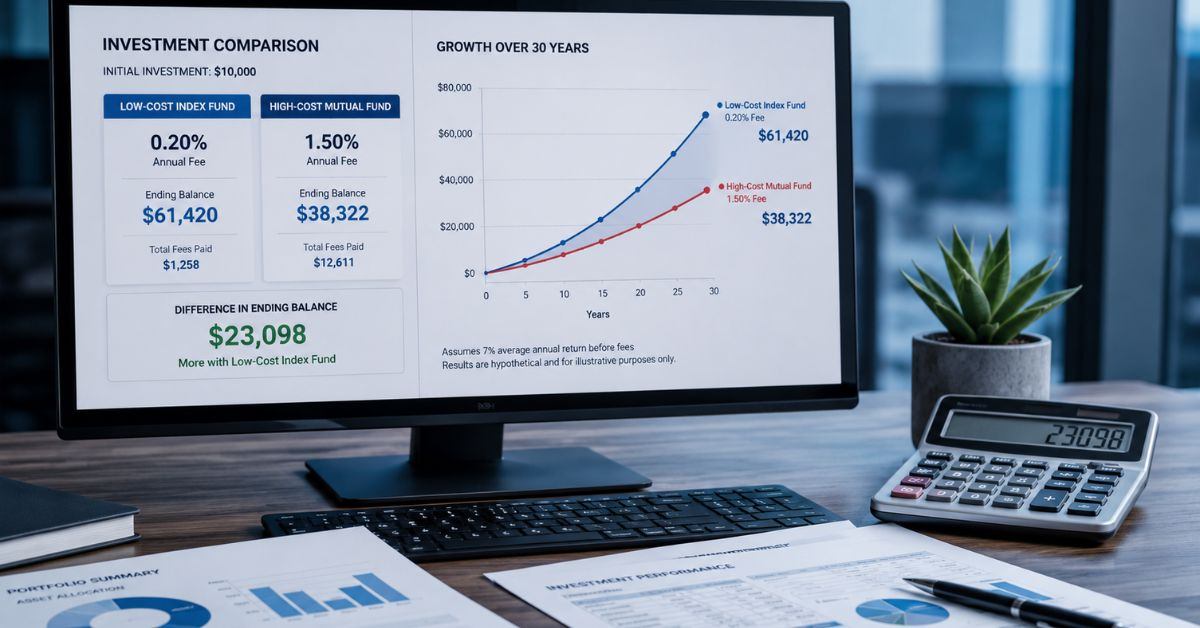
Many investors focus only on returns, but fees quietly erode long-term growth. Even a small percentage difference dramatically impacts wealth over decades. FTAsiaTrading saving tips prioritize low-cost investment vehicles and disciplined portfolio management.
Fee Comparison Example
| Investment Type | Annual Fee | 30-Year Growth ($50,000 at 7%) |
| 0.2% Index Fund | Low | ~$381,000 |
| 1.5% Managed Fund | High | ~$291,000 |
A difference of nearly $90,000 results purely from fees.
Cost-control strategies include the following:
- Choosing low-expense ETFs or index funds
- Avoiding excessive trading
- Comparing brokerage fees carefully
- Rebalancing annually rather than frequently
Reducing fees increases your effective return without increasing risk.
Building a Strong Emergency Fund
Financial resilience protects your long-term strategy. Without an emergency fund, unexpected events force you into debt or premature investment withdrawals.
FTAsiaTrading saving tips recommend maintaining at least three to six months of living expenses in a separate, accessible account. For freelancers or entrepreneurs, nine to twelve months may be safer due to income variability.
An emergency fund provides:
- Protection from high-interest debt
- Stability during job transitions
- Peace of mind during economic downturns
This reserve acts as a financial shock absorber, ensuring that temporary setbacks do not become long-term problems.
Strategic Debt Management for Faster Savings Growth
Debt reduces saving potential, especially high-interest obligations like credit cards. Eliminating expensive debt often provides a guaranteed return higher than many investments.
Two popular repayment strategies include the following:
- Debt snowball: Paying the smallest balances first
- Debt avalanche: Prioritizing highest interest rates
Example Case
Mark had:
- $8,000 credit card debt at 19%
- $12,000 car loan at 6%
By focusing on the 19% debt first, he saved over $1,500 in interest within two years. Smart debt management includes refinancing when possible and avoiding lifestyle-based borrowing. Interest saved equals wealth preserved.
Expanding Income Streams to Accelerate Savings
While cost control is essential, income growth accelerates savings dramatically. Relying on a single income source increases financial vulnerability.
Additional income sources may include freelance work, dividend-paying investments, digital businesses, or rental properties. Even an extra $500 per month, invested consistently, can generate substantial wealth over time due to compound growth. Diversification of income strengthens financial security and supports long-term stability.
Long-Term Investment Planning and Asset Allocation
Asset allocation determines overall portfolio performance more than individual stock selection.
A balanced portfolio may include:
- 60% equities
- 30% bonds
- 10% alternative assets
Younger investors typically hold more equities for growth, while individuals nearing retirement shift toward fixed income for stability. Rebalancing annually ensures your portfolio remains aligned with your goals and risk tolerance. Consistency matters more than short-term market timing.
Behavioral Finance: Avoiding Costly Emotional Mistakes
Human psychology often undermines financial success. Emotional reactions during market volatility can destroy long-term progress.
Common behavioral mistakes include:
- Panic selling during downturns
- Following investment trends blindly
- Overspending after income increases
- Ignoring long-term strategy for short-term comfort
Automation helps reduce emotional interference. Automatic savings transfers and scheduled investment contributions create discipline. Structure protects you from your impulses.
Monitoring and Adjusting Your Financial System
A financial plan must evolve with life changes. Regular reviews ensure continued alignment with goals, especially when following structured ftasiatrading saving tips for long-term stability.
Quarterly reviews should evaluate savings rate, investment performance, expense patterns, and debt reduction progress. Annual reviews should assess tax strategy, asset allocation, and long-term objectives. Continuous improvement keeps your financial system efficient and adaptive.
FAQs
FAQs
How often should I change my plan to save money?
A quarterly review with an annual comprehensive assessment is ideal.
Are FTAsiaTrading saving tips suitable for beginners?
Yes. The principles are foundational and scalable for all income levels.
What is the fastest way to improve savings?
Eliminate high-interest debt and automate at least 20% of your income toward savings.
Do low-cost index funds really outperform?
According to the SPIVA report by S&P Global, many low-cost index funds outperform actively managed funds after fees over long periods.
Is tax planning complicated?
It can be, but basic strategies like retirement contributions and deduction awareness are accessible to most individuals.
Conclusion
Financial success is not about earning more alone, it’s about managing what you earn with structure and discipline. The strength of ftasiatrading saving tips lies in strategic budgeting, smart tax planning, controlled investment costs, and consistent financial reviews. When these elements work together, they create a reliable system for long-term wealth growth.
Start by making small, intentional improvements in your spending, saving, and investing habits. Over time, these structured decisions will compound into stronger financial stability and lasting independence.
