

Introduction
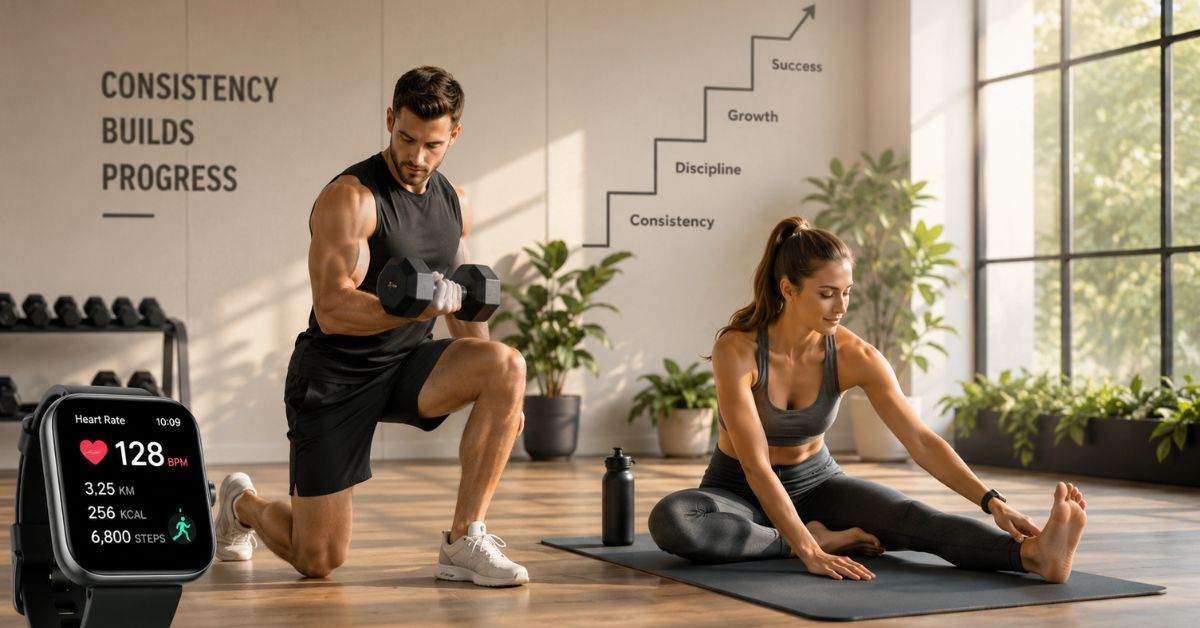
In today’s fast-paced fitness world, extreme workouts, rapid transformations, and “30-day shredded” challenges dominate social media. While these trends promise quick results, they often lead to burnout, injury, or inconsistent progress. This is where Innøve offers a refreshing and sustainable alternative.
Innøve is a modern philosophy centered on sustainable growth blending innovation with small, steady improvements to create long-term success without overwhelming stress. Instead of chasing dramatic short-term gains, this approach encourages gradual progress, consistency, and intelligent adaptation.
In the fitness niche, It means building strength, endurance, flexibility, and mental resilience through progressive habits rather than extreme measures. It aligns with sports science principles like progressive overload, recovery optimization, and behavior-based habit formation.
In this comprehensive guide, you’ll learn how to apply Innøve to your workouts, nutrition, recovery, and mindset. We’ll explore practical strategies, case studies, expert insights, and structured frameworks so you can transform your fitness journey sustainably and confidently.
Understanding Innøve in the Context of Fitness
At its core, Innøve in fitness emphasizes intelligent progression and stress-free growth. Rather than pushing your limits recklessly, you evolve consistently through manageable improvements.
Key Principles of Innøve in Fitness:
- Sustainable training progression
- Small-scale improvements over time
- Smart use of innovation and technology
- Reduced risk of injury and burnout
- Mental and physical balance
Unlike traditional “all-or-nothing” approaches, this philosophy works with your body’s natural adaptation cycle. Scientific research from sources like the American College of Sports Medicine (ACSM) supports progressive overload and gradual intensity increases as the most effective way to build long-term fitness.
Innøve also integrates modern tools such as the following:
- Fitness tracking apps
- Heart rate variability (HRV) monitoring
- Smart wearables
- Personalized workout programming
Instead of relying on motivation spikes, it builds systems that ensure consistent progress.
Why It Matters Today:
- High-stress lifestyles require balanced routines.
- Overtraining is increasingly common.
- Mental health awareness is growing.
- Sustainable fitness is more achievable than crash programs.
In short, it shifts the goal from “fast results” to “lasting transformation.”
The Science Behind Sustainable Growth
Fitness improvements occur through adaptation. When you train, you create stress. When you recover, you grow stronger. It respects this biological cycle.
How the Body Adapts
- Muscles repair and grow after microtears
- Cardiovascular capacity improves gradually
- Nervous system efficiency increases
- Hormonal balance adjusts over time.
Research published in the Journal of Strength and Conditioning Research shows that moderate, consistent training leads to better long-term performance gains than sporadic high-intensity bursts.
Core Scientific Concepts
- Progressive overload
- Periodization
- Recovery cycles
- Neuromuscular adaptation
- Habit formation psychology
Instead of doubling your workout intensity overnight, you increase weight by 2–5%, add 1–2 reps, or extend cardio by 5 minutes weekly.
This controlled evolution:
- Reduces injury risk
- Maintains motivation
- Enhances recovery
- Supports long-term compliance
Sustainable growth isn’t slower, it’s smarter. Over 12 months, steady progress often outperforms aggressive short-term programs.
Innovative vs Traditional Fitness Approaches
Let’s compare the Innøve philosophy with traditional high-intensity fitness methods.
| Factor | Traditional Approach | Innøve Approach |
| Goal | Rapid transformation | Long-term sustainability |
| Intensity | High, immediate | Gradual progression |
| Injury Risk | Moderate to high | Lower |
| Mental Stress | Often high | Balanced |
| Long-Term Success | Inconsistent | Highly sustainable |
Key Differences
- Short-term vs long-term focus
- Stress-driven vs system-driven progress
- Extreme dieting vs balanced nutrition
- Burnout vs consistency
Case studies in behavioral psychology suggest that people who adopt incremental habit changes are 40–60% more likely to maintain routines beyond one year.
Traditional programs often rely on motivation. It relies on structure.
Building an Innøve-Based Workout Plan
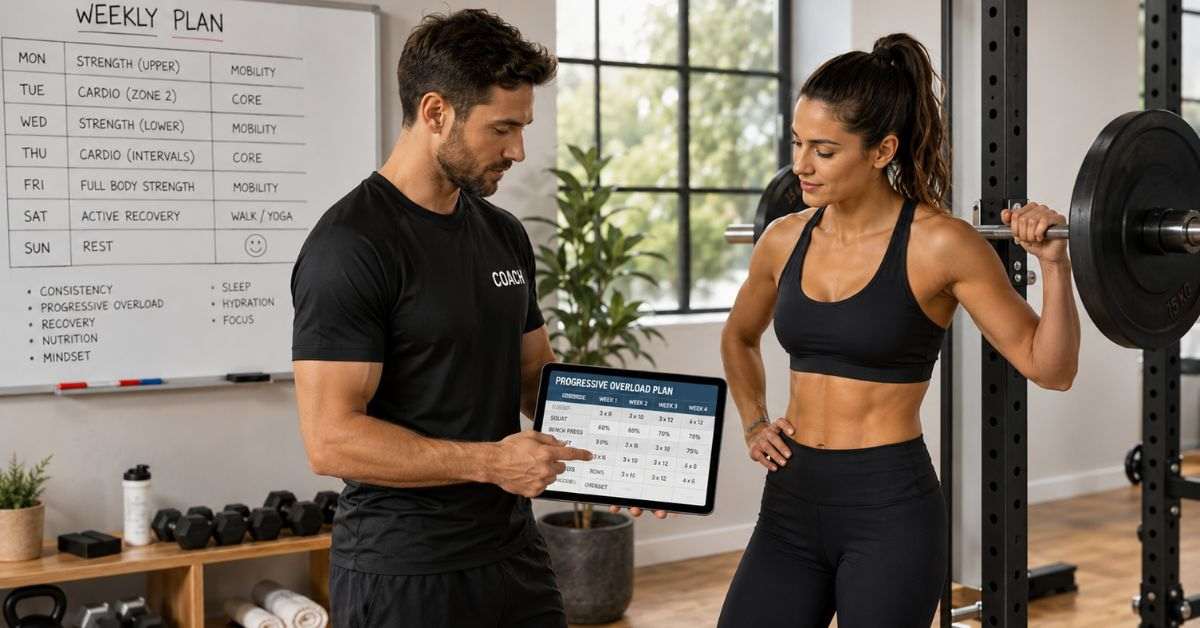
Designing an innovative-inspired fitness routine involves thoughtful progression and recovery planning.
Step-by-Step Framework
- Assess baseline fitness level
- Set micro-goals (weekly targets)
- Increase load gradually
- Schedule recovery days
- Track performance metrics
Example Weekly Structure
- 3 strength sessions
- 2 light cardio days
- 1 mobility session
- 1 full rest day
Instead of jumping into advanced routines, you start manageable and scale slowly.
Progression Example:
- Week 1: Squat 20kg x 8 reps
- Week 3: Squat 22.5kg x 8 reps
- Week 6: Squat 25kg x 8 reps
Small increments compound over months. The key is consistency over intensity.
Nutrition Through the Innøve Lens
Extreme dieting contradicts sustainable growth. It promotes steady nutritional improvements.
Core Nutrition Principles
- Moderate calorie adjustments
- Whole-food focus
- Adequate protein intake
- Hydration optimization
- Flexible dieting mindset
Instead of cutting 1000 calories overnight:
- Reduce 200–300 calories gradually
- Replace processed snacks with whole foods.
- Increase protein by 10–15 g per week
Studies from Harvard Health emphasize that sustainable weight loss averages 0.5–1 pound per week.
Innøve encourages:
- Long-term metabolic health
- Balanced macronutrients
- Reduced stress around food
This approach builds habits rather than restrictions.
Recovery and Stress Management
Recovery is where growth happens. It prioritizes restoration as much as performance.
Essential Recovery Strategies
- 7–9 hours of sleep
- Active recovery sessions
- Mobility training
- Breathwork and mindfulness
- HRV monitoring
Chronic stress elevates cortisol, hindering muscle growth and fat loss.
Innovative recovery tools include:
- Massage guns
- Cold exposure therapy
- Sleep tracking devices
Athletes who prioritize structured recovery see improved performance and fewer injuries. Innøve reframes rest as strategic growth time.
Case Study: Sustainable Transformation in Action
Sarah’s 12-Month Journey
| Month | Focus | Result |
| 1–3 | Habit building | Consistent workouts |
| 4–6 | Progressive overload | +15% strength gain |
| 7–9 | Nutrition refinement | 5kg fat loss |
| 10–12 | Performance optimization | Marathon completion |
Sarah avoided crash dieting and intense challenges. Instead, she gradually increased training volume and improved nutrition step-by-step.
Corporate Professional Burnout Recovery
James shifted from 6 intense weekly sessions to 4 structured workouts with recovery focus.
Results:
- Reduced injury frequency
- Improved energy levels
- Better sleep quality
- Increased long-term consistency
Both examples highlight sustainable evolution over rapid change.
Technology and Innovation in Innøve Fitness
Innovation supports sustainable growth when used wisely.
Useful Tools
- Wearable fitness trackers
- AI-based workout apps
- Smart scales
- Heart rate monitors
- Online coaching platforms
Technology helps track:
- Training load
- Sleep quality
- Recovery status
- Calorie intake
Data-driven insights prevent overtraining and encourage balanced progression. However, It emphasizes mindful use tools should support progress, not create obsession.
Mental Resilience and Habit Formation
Fitness success is psychological as much as physical.
Psychological Foundations
- Identity-based habits
- Micro-commitments
- Growth mindset
- Self-compassion
Instead of saying “I want to lose weight,” shift to:
- “I am someone who trains consistently.”
Behavioral research by James Clear and BJ Fogg supports small habit stacking as the most reliable way to build consistency.
Innøve encourages:
- Weekly reflection
- Adjustments without guilt
- Sustainable motivation cycles
Progress becomes predictable rather than emotional.
Long-Term Health and Performance Benefits
The ultimate goal of Innøve in fitness is longevity.
Long-Term Benefits
- Reduced injury risk
- Stable metabolic health
- Consistent muscle retention
- Improved cardiovascular endurance
- Balanced hormonal profile
Over 5–10 years, steady progress outperforms extreme cycles of gain and loss.
Sustainable systems:
- Protect joint health
- Enhance mobility
- Maintain lean muscle mass
- Support mental clarity
Fitness becomes a lifestyle, not a temporary phase.
FAQs
Is it suitable for beginners?
Yes. Its gradual progression makes it ideal for beginners and advanced athletes alike.
Does sustainable growth mean slower results?
Not necessarily. While initial changes may be moderate, long-term results are stronger and more lasting.
How often should I increase workout intensity?
Every 1–2 weeks in small increments, depending on recovery and performance.
Can Innøve work for weight loss?
Absolutely. Gradual calorie reduction and consistent activity lead to stable fat loss.
Is technology necessary for this approach?
No, but tools like fitness trackers can enhance tracking and recovery management.
Conclusion
In a world obsessed with rapid transformation, Innøve offers a smarter path in fitness, one built on sustainable growth, innovation, and steady progress. By respecting your body’s adaptation cycles, focusing on incremental improvement, and prioritizing recovery, you create lasting change without stress or burnout.
This philosophy aligns with evidence-based training principles supported by organizations like the ACSM and Harvard Health. It encourages consistency, balance, and mental resilience, the true foundations of lifelong health.
Instead of chasing extreme programs, start small. Improve 1% each week. Track progress. Adjust intelligently. Over months and years, these small steps compound into extraordinary results. Your fitness journey doesn’t need to be dramatic, it needs to be sustainable.
