

Introduction
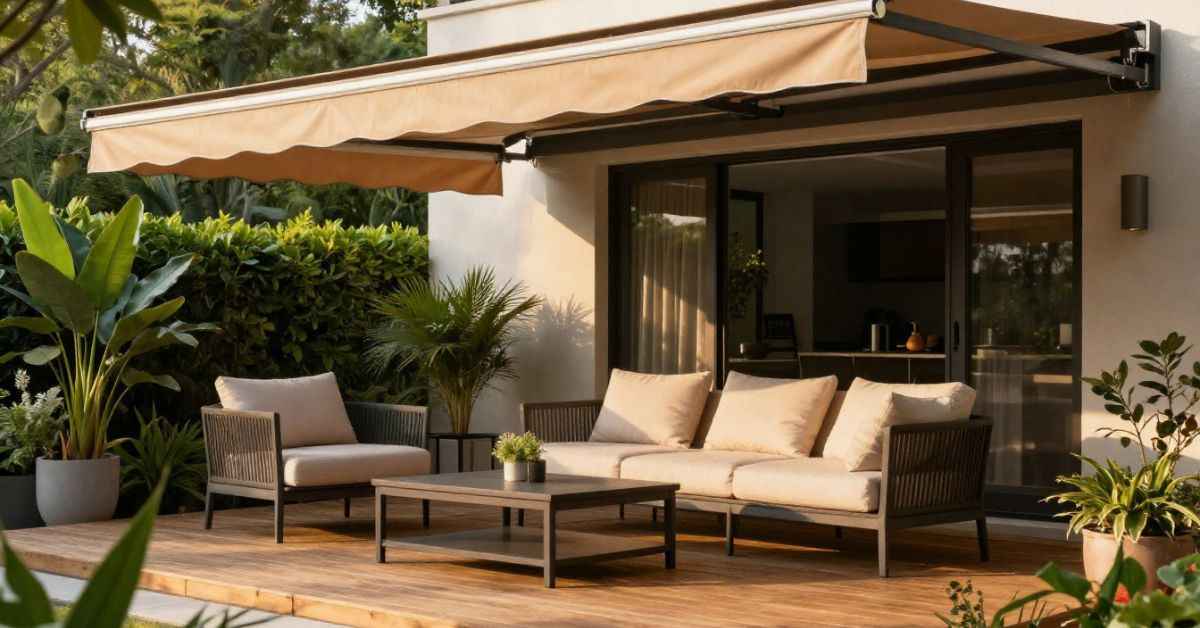
Outdoor living spaces have evolved from simple patios and balconies into fully functional extensions of our homes. Whether it’s a cozy terrace for morning coffee or a shaded deck for entertaining guests, comfort and protection are essential. That’s where a markiseteppe comes in.
A markiseteppe commonly used under awnings and outdoor seating areas adds more than just aesthetic appeal. It enhances comfort, protects surfaces, improves energy efficiency, and creates a defined outdoor living zone. As climate patterns shift and energy costs rise, homeowners are increasingly looking for smart, sustainable ways to regulate temperature and extend the usability of their outdoor areas.
In this comprehensive guide, you’ll learn everything you need to know about selecting the right it. From materials and installation tips to energy-saving benefits and real-life comparisons, this article will help you make an informed decision that improves both your home’s comfort and long-term value.
What Is a Markiseteppe and Why Is It Important?
A markiseteppe is a durable outdoor carpet designed to be used under awnings, pergolas, terraces, and balconies. It is engineered to withstand weather exposure while enhancing the functionality and comfort of outdoor living spaces.
Key Functions of a Markiseteppe
- Provides a soft, comfortable surface underfoot
- Protects decking or tile from wear and UV damage
- Reduces glare and heat reflection
- Enhances visual appeal
- Defines outdoor living zones
Unlike standard outdoor rugs,it is typically:
- UV-resistant
- Mold and mildew resistant
- Easy to clean
- Designed for long-term outdoor exposure
Why It Matters Today
With more homeowners investing in outdoor upgrades, comfort and energy efficiency have become priorities. A quality markiseteppe:
- Reduces surface temperature on decks by up to 10–15%
- Minimizes heat absorption in surrounding areas
- Creates a cooler microclimate under awnings
According to energy-efficiency studies from organizations like the U.S. Department of Energy (energy.gov), shading solutions significantly reduce cooling costs. When combined with a proper awning, it enhances that effect.
Types of Markiseteppe Materials
Choosing the right material is crucial for durability and performance. Different fabrics offer varying levels of comfort, maintenance requirements, and weather resistance.
Common Materials
Polypropylene:
- Lightweight and affordable
- Excellent moisture resistance
- Ideal for humid climates
PVC-Coated Polyester:
- Highly durable
- Easy to clean
- Great for heavy foot traffic
Acrylic Fabric:
- Superior UV resistance
- Soft texture
- Maintains color vibrancy
Recycled Synthetic Blends:
- Eco-friendly option
- Good durability
- Sustainable manufacturing
Material Comparison Table
| Material | Durability | UV Resistance | Maintenance | Best For |
| Polypropylene | Medium | High | Easy | Budget-friendly patios |
| PVC-Coated Polyester | High | Very High | Very Easy | High-traffic decks |
| Acrylic | High | Excellent | Moderate | Style-focused terraces |
| Recycled Blends | Medium | High | Easy | Eco-conscious homeowners |
Eco-conscious homeowners
When selecting a markiseteppe, consider climate, foot traffic, and long-term exposure to sun and rain.
Energy Efficiency Benefits of a Markiseteppe
A well-installed its contributes to energy efficiency by enhancing shading performance and reducing heat buildup.
How It Improves Efficiency
- Absorbs and diffuses solar radiation
- Prevents heat reflection from hard surfaces
- Supports awning shading performance
- Reduces indoor cooling demand
Real-Life Example
Case Study: Suburban Home Patio Upgrade
- Location: Southern Europe
- Before installation: Patio surface temperature reached 48°C (118°F)
- After installing awning + markiseteppe: Surface temperature reduced to 38°C (100°F)
- Indoor cooling use reduced by 8% during summer months
Energy-Saving Impact Table
| Feature Installed | Average Surface Temp Reduction | Cooling Cost Impact |
| Awning Only | 6–10°C | 5–7% reduction |
| Markiseteppe Only | 4–6°C | 3–5% reduction |
| Awning + Markiseteppe Combo | 10–15°C | 8–12% reduction |
Combining shading systems creates optimal thermal performance.
Design and Aesthetic Considerations
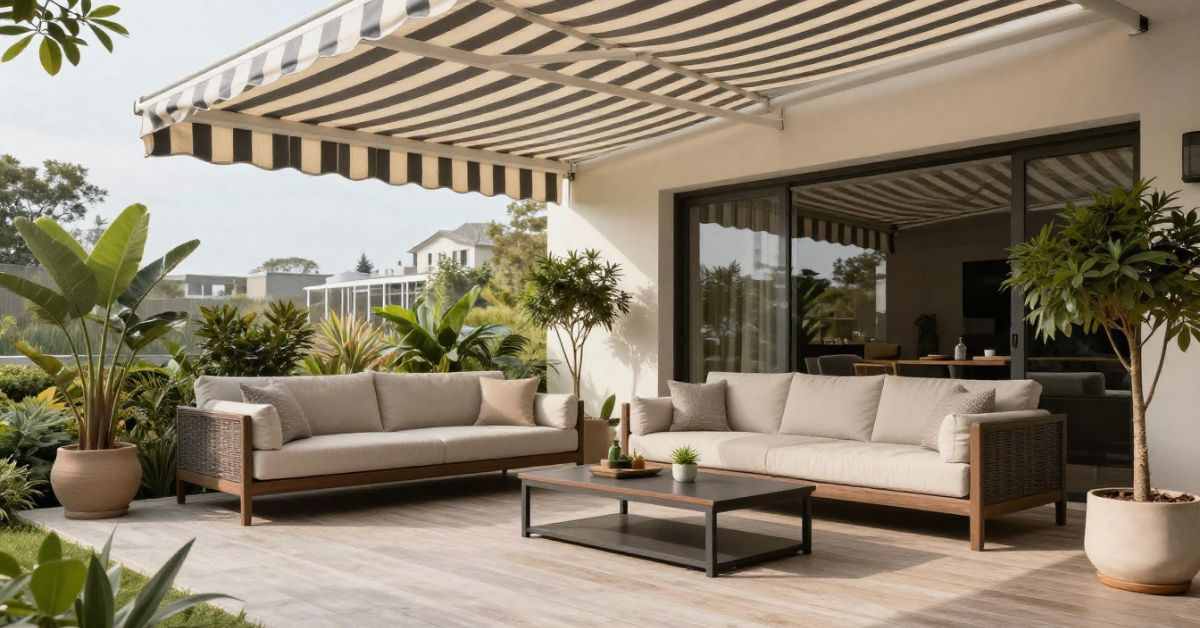
Beyond function, design plays a major role in selecting the perfect it.
Design Factors to Consider
- Color coordination with awnings
- Pattern style (minimalist, striped, geometric)
- Edge finishing and trim
- Texture and weave density
Popular Trends
- Neutral tones (beige, gray, sand)
- Coastal-inspired stripes
- Earthy tones for natural landscapes
- Scandinavian-inspired minimalism
Tips for Visual Harmony
- Match carpet tones to furniture cushions
- Choose lighter colors for heat reduction
- Use darker shades in high-traffic areas
A well-chosen markiseteppe transforms an ordinary patio into an inviting outdoor living room.
Installation Methods and Best Practices
Safety, longevity, and peak performance are guaranteed by proper installation.
Installation Options
- Loose-lay installation
- Adhesive-secured edges
- Snap or clip systems
- Full-surface adhesive application
Installation Tips
- Ensure surface is dry and level
- Allow drainage gaps
- Avoid sealing moisture underneath
- Leave slight expansion space
For DIY homeowners:
- Measure twice before cutting
- Use rust-resistant fasteners
- Trim edges cleanly for professional results
For large spaces, professional installation ensures precision and durability.
Maintenance and Cleaning Guide
It is low-maintenance but still requires care.
Routine Maintenance
- Sweep weekly
- Rinse monthly with water
- Spot clean stains immediately
Deep Cleaning Process
- Vacuum debris
- Mix mild soap with warm water
- Scrub gently
- Rinse thoroughly
- Air dry completely
Avoid
- Harsh bleach
- High-pressure washers (may damage fibers)
- Leaving standing water
Proper maintenance can extend lifespan up to 10–15 years.
Weather Resistance and Durability
Outdoor exposure demands durability.
Weather-Resistant Features
- UV stabilization
- Mold and mildew resistance
- Quick-dry fibers
- Anti-slip backing
Climate-Specific Recommendations
- Rainy climates: Choose quick-drain materials
- Hot climates: Prioritize UV-resistant acrylic
- Cold climates: Flexible synthetic blends
Quality manufacturing standards often align with European EN durability certifications or similar industry benchmarks.
Cost Breakdown and Budget Planning
Understanding pricing helps you plan wisely.
Average Cost Range
- Budget options: $10–$20 per square meter
- Mid-range: $20–$40 per square meter
- Premium: $40–$80+ per square meter
What Influences Price?
- Material quality
- UV treatment level
- Custom sizing
- Brand reputation
Cost vs Value
While premium options cost more upfront, they often:
- Last longer
- Maintain color better
- Reduce replacement frequency
Long-term value outweighs initial savings.
Sustainability and Eco-Friendly Options
Eco-conscious homeowners increasingly prioritize sustainable materials.
Sustainable Features
- Recycled synthetic fibers
- Low-VOC manufacturing
- Solar-reflective coatings
- Long lifespan reducing waste
Environmental Benefits
- Lower cooling energy usage
- Reduced landfill waste
- Sustainable sourcing practices
Look for certifications such as:
- OEKO-TEX
- ISO environmental standards
- Recycled content labeling
Sustainability doesn’t mean sacrificing durability or style.
How to Choose the Right Markiseteppe for Your Home
Selecting the right option depends on multiple factors.
Step-by-Step Buying Checklist
- Measure your space accurately
- Assess climate conditions
- Determine traffic level
- Set a realistic budget
- Compare material durability
- Review warranty terms
Questions to Ask Before Buying
- Is it UV-resistant?
- How long is the warranty?
- Is it easy to clean?
- Does it complement my awning?
When chosen thoughtfully, a markiseteppe enhances both comfort and property value.
FAQs
How long does a markiseteppe typically last?
High-quality options last 10–15 years with proper maintenance. Climate and usage impact lifespan.
Can I install a markiseteppe myself?
Yes, many homeowners complete DIY installations. For big or complicated regions, however, professional installation is advised.
Is a markiseteppe waterproof?
Most are water-resistant and quick-drying but not fully waterproof. Proper drainage is important.
Does it really improve energy efficiency?
Yes. When combined with awnings, it reduces surface heat and can lower cooling costs by up to 10%.
What color is best for hot climates?
Light or reflective shades reduce heat absorption and improve comfort.
Conclusion
As outdoor living spaces become true extensions of our homes, comfort, durability, and energy efficiency are no longer optional, they’re essential. A well-chosen markiseteppe enhances your patio, balcony, or terrace by reducing heat, protecting surfaces, and creating a welcoming atmosphere.
From material selection and installation to sustainability and long-term value, every aspect plays a role in maximizing your investment. Whether you prioritize style, performance, or eco-conscious design, there’s a perfect solution for your space.
If you’re planning to upgrade your outdoor area, start by evaluating your climate, budget, and design goals. Investing in a quality its today can transform your outdoor experience for years to come bringing comfort, efficiency, and timeless appeal to your home.
