

Introduction
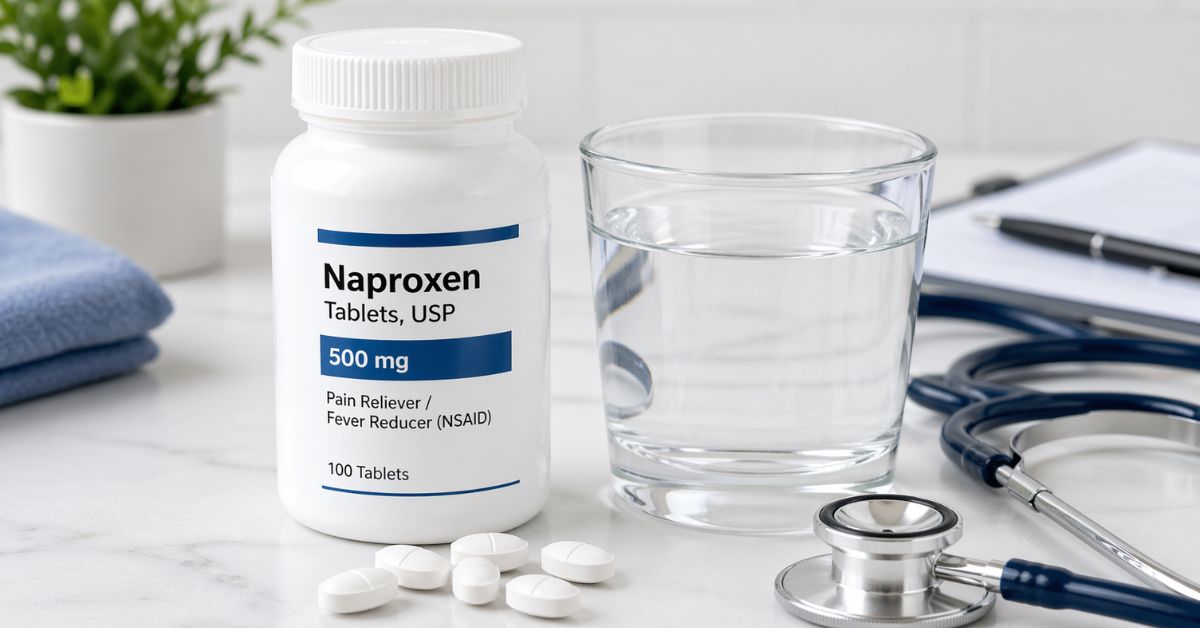
Pain and inflammation are common problems. Many people feel joint pain, muscle aches, headaches, or menstrual cramps at some point in life. One medicine that doctors often recommend is naproxen. It is widely used and trusted when taken the right way.
This medicine belongs to a group called nonsteroidal anti-inflammatory drugs (NSAIDs). It helps reduce pain, swelling, and fever. You can find it over the counter in small doses or get a stronger version with a prescription.
In this easy-to-read guide, you will learn what naproxen is, how it works, the right dosage, possible side effects, and safety tips. The goal is to help you understand this medication clearly so you can use it safely and wisely.
How Does Naproxen Work and What Is It?
Naproxen is a medicine that reduces pain and swelling.It functions by obstructing prostaglandins, which are substances found in the body. Pain, fever, and inflammation are brought on by these substances.
When your body is injured or inflamed, it produces more prostaglandins. This leads to swelling, redness, and discomfort. By lowering these chemicals, naproxen helps you feel better.
Key Points
- Belongs to the NSAID group
- Reduces pain and inflammation
- Can lower fever
- Works for several hours (long-lasting effect)
Because it lasts longer than some other pain relievers, you may not need to take it as often. This makes it helpful for ongoing conditions like arthritis.
Common Uses of Naproxen
Doctors recommend this medicine for many types of pain. It works best for mild to moderate pain that involves swelling.
It Is Commonly Used For the Following:
- Osteoarthritis
- Rheumatoid arthritis
- Gout attacks
- Muscle injuries
- Back pain
- Headaches
- Menstrual cramps
- Tendonitis
- Bursitis
For example, someone with knee arthritis may take it to reduce stiffness and improve movement. A person with severe period cramps may also use it for relief.
Because it treats both pain and inflammation, It is often chosen over simple pain relievers like acetaminophen, which does not reduce swelling.
Naproxen Dosage: How Much Is Safe?
Taking the correct dose is very important. Too little may not work.Taking too much can have serious negative effects.
General Adult Dosage Guide
| Condition | Usual Dose | How Often |
| Mild pain | 220–250 mg | Every 8–12 hours |
| Arthritis | 250–500 mg | Twice daily |
| Acute gout | 750 mg first dose, then 250 mg | Every 8 hours |
Important Tips:
- Do not take more than 660 mg per day unless your doctor says so.
- Take it with food or milk to protect your stomach.
- Drink a full glass of water with each dose.
Children and older adults may need different doses. Always ask a doctor before giving it to a child.
Naproxen vs Ibuprofen: What’s the Difference?
Both naproxen and ibuprofen are NSAIDs. They work in similar ways, but there are some differences.
Naproxen vs Ibuprofen Comparison
| Feature | Naproxen | Ibuprofen |
| How long it lasts | 8–12 hours | 4–6 hours |
| How often to take | Less often | More often |
| Good for chronic pain | Yes | Sometimes |
| Risk of stomach upset | Moderate | Moderate |
Simple Explanation
- Naproxen lasts longer, so you take fewer doses.
- Ibuprofen may work a little faster for short-term pain.
- Both can irritate the stomach if taken too often.
Your doctor can help decide which one is better for your needs.
Possible Side Effects
It might have adverse effects, just like other medication. Most are mild, but some can be serious.
Common Side Effects
- Stomach pain
- Heartburn
- Nausea
- Headache
- Dizziness
Serious Side Effects (Get Medical Help):
- Black or bloody stools
- Chest pain
- Shortness of breath
- Severe stomach pain
- Swelling of the face or throat
Long-term use increases the risk of stomach ulcers, bleeding, heart attack, or stroke. This is why doctors suggest using the lowest effective dose for the shortest time needed.
Who Should Avoid Naproxen?
This medicine is not safe for everyone.
Do Not Use If You
- Have stomach ulcers
- Have serious heart disease
- Have severe kidney disease
- Are allergic to NSAIDs
- Are in the third trimester of pregnancy
Use With Caution If You
- Have high blood pressure
- Are over 65 years old
- Take blood thinners
- Have asthma
Always tell your doctor about your full health history before starting naproxen.
Drug Interactions You Should Know

Some medicines do not mix well with NSAIDs.
Be Careful If You Take the Following:
- Blood thinners (like warfarin)
- Aspirin
- Steroids
- Other NSAIDs
- Some antidepressants
- Water pills (diuretics)
These combinations can increase the risk of bleeding or kidney problems.
To stay safe:
- Tell your doctor about all medicines you take.
- Mention vitamins and herbal supplements.
- Do not mix pain relievers without medical advice.
Trusted health sources like the FDA and Mayo Clinic warn about these risks and recommend medical guidance for long-term use.
Tips for Safe Use
If you need pain relief regularly, follow these safety steps:
- Use the lowest dose that works.
- Take it with food.
- Avoid alcohol.
- Do not smoke (smoking increases ulcer risk).
- Check your blood pressure regularly.
- See your doctor for long-term treatment.
Some people who use naproxen for arthritis may also take stomach-protecting medicine if they are at higher risk for ulcers.Simple habits can greatly reduce the chance of serious problems.
Natural and Medical Alternatives
Sometimes, people cannot take NSAIDs. In that case, other options may help.
Medical Alternatives
- Acetaminophen (for pain without inflammation)
- Topical anti-inflammatory creams
- Prescription COX-2 inhibitors
Natural Options
- Physical therapy
- Gentle exercise
- Weight loss (for joint pain)
- Heat or cold therapy
- Anti-inflammatory foods (like leafy greens and fish)
For chronic conditions like arthritis, combining lifestyle changes with medication often works best.
FAQs
How fast does naproxen work?
It normally takes 30 to 60 minutes for it to begin functioning. Full pain relief may take a few hours.
Can I take it every day?
Only if your doctor approves. Daily use increases the risk of side effects.
Is it safe during pregnancy?
It is not safe during the third trimester. Ask your doctor if you are pregnant at all times.
Can I drink alcohol while taking it?
It is best to avoid alcohol because it increases the risk of stomach bleeding.
What should I do if I forget to take my medicine?
Take it when you remember.If the next dose is due shortly, disregard the missed one. Do not double the dose.
Conclusion
Naproxen is a helpful medicine for treating mild to moderate pain and inflammation. It is commonly used for arthritis, muscle pain, gout, headaches, and menstrual cramps. Because it works for many hours, it can provide long-lasting relief.
However, like all NSAIDs, it must be used carefully. Taking too much or using it for too long can cause serious side effects, especially stomach, heart, or kidney problems. Always follow the recommended dosage, take it with food, and talk to your doctor if you need long-term treatment.
When used correctly, It can improve comfort and quality of life. If you are unsure whether it is right for you, speak with a healthcare professional and rely on trusted sources such as the FDA or Mayo Clinic for accurate health information.Your health matters; make informed, safe choices every time.
