

Introduction
Technology is evolving faster than ever, and new concepts continue to redefine how we interact with digital systems. One of the most intriguing emerging innovations is Novcizpimkunot, a next-generation intelligent technology framework designed to enhance automation, data integration, and adaptive decision-making across industries.
But what exactly is Novcizpimkunot, and why are tech leaders beginning to pay attention?
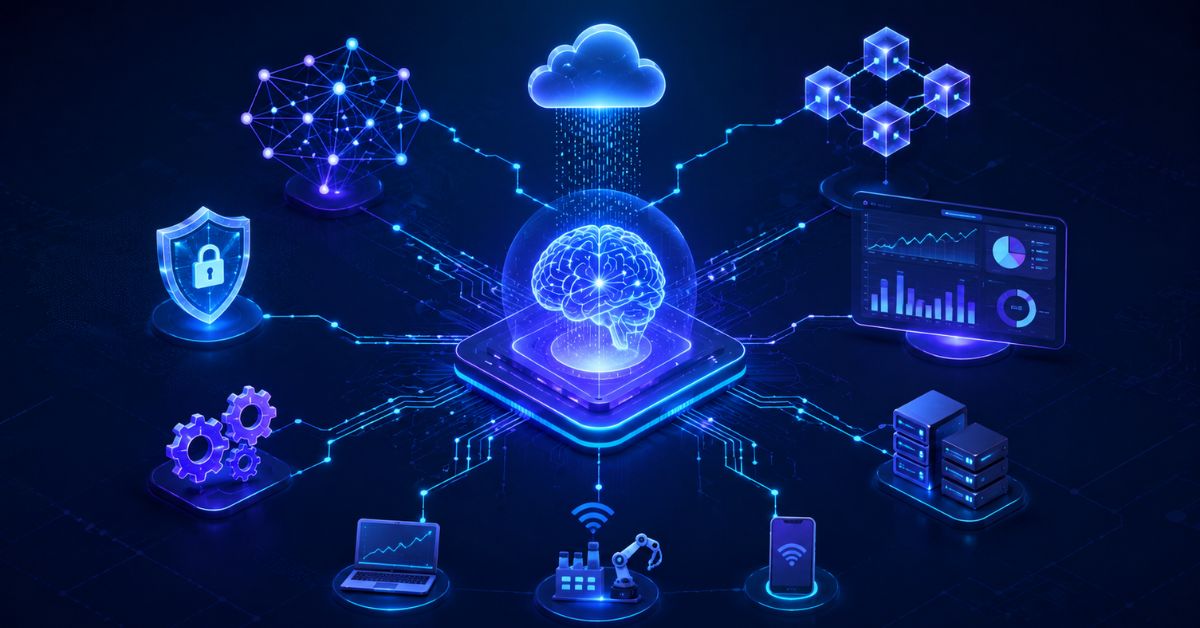
At its core, It represents a hybrid ecosystem combining artificial intelligence (AI), decentralized computing, advanced cybersecurity protocols, and predictive analytics into one cohesive digital infrastructure. It is engineered to make systems smarter, faster, and more resilient.
Whether you’re a tech enthusiast, business leader, or IT professional, this article will provide valuable insights into how it could shape the next digital revolution.
What Is Novcizpimkunot?
Novcizpimkunot is a flexible technology system that combines AI automation, safe distributed systems, and adjustable analytics into one complete structure.
Key Characteristics
- AI-powered intelligence layers
- Cloud-native and edge-compatible design
- Zero-trust cybersecurity model
- Real-time data processing
- Self-learning optimization mechanisms
Unlike traditional IT infrastructures that operate in silos, It connects data streams across platforms, allowing systems to evolve continuously.
Core Components
- Machine Learning engines
- Distributed ledger validation systems
- Autonomous decision protocols
- API-first interoperability
In simple terms, It is not just a software product, it’s a technological methodology designed for the intelligent era.
How Novcizpimkunot Works
Understanding how it functions requires breaking down its layered architecture.
The Three Core Layers
Data Integration Layer:
- Aggregates structured and unstructured data
- Ensures real-time synchronization
- Uses encrypted data pipelines
Cognitive Intelligence Layer:
- Applies AI and machine learning
- Detects patterns and anomalies
- Predicts outcomes
Autonomous Execution Layer:
- Automates workflows
- Triggers smart contracts
- Self-corrects based on analytics
Operational Flow
- Data is collected → analyzed → decisions are generated → actions are executed automatically.
This closed-loop system reduces manual intervention and increases operational efficiency.
Key Benefits
Organizations adopt Novcizpimkunot for measurable advantages.
Major Benefits
- Enhanced operational efficiency
- Reduced human error
- Stronger cybersecurity
- Real-time insights
- Scalability
Business Impact
- Faster product deployment
- Lower infrastructure costs
- Improved customer experience
For example, companies implementing intelligent frameworks report up to 30–40% operational cost reductions.
Novcizpimkunot vs Traditional Technology Systems
To understand its value, let’s compare it with legacy systems.
| Feature | Traditional IT Systems | Novcizpimkunot Framework |
| Architecture | Centralized | Distributed & Hybrid |
| Automation | Partial | Fully Autonomous |
| Security | Perimeter-based | Zero-Trust Model |
| Scalability | Manual scaling | Dynamic auto-scaling |
| Data Processing | Batch-based | Real-time |
Why It Matters
Traditional systems struggle with:
- Data silos
- Security vulnerabilities
- Slow adaptation
Its addresses these limitations with intelligent automation and integrated design.
Industry Applications

This emerging technology is industry-agnostic.
Healthcare
- AI-driven diagnostics
- Secure patient data sharing
- Predictive health analytics
Finance
- Fraud detection
- Automated compliance
- Smart contracts
Manufacturing
- Predictive maintenance
- IoT-enabled monitoring
- Supply chain optimization
Smart Cities
- Energy grid optimization
- Traffic management
- Public safety automation
Its versatility makes it adaptable across complex digital ecosystems.
Case Study: Enterprise Implementation
Logistics Company Transformation
A global logistics firm implemented it principles into its supply chain.
Challenges:
- Delayed shipments
- Inventory mismanagement
- Poor demand forecasting
Solutions Implemented:
- AI forecasting algorithms
- Real-time GPS data integration
- Autonomous scheduling system
Results:
- 28% faster delivery times
- 35% inventory waste reduction
- 20% cost savings within 12 months
FinTech Startup Optimization
A FinTech startup integrated decentralized authentication protocols.
Outcomes:
- Reduced fraud by 42%
- Enhanced user trust
- Improved transaction speed
These examples show how intelligent integration leads to measurable growth.
Security and Compliance Advantages
Cybersecurity is central to Novcizpimkunot.
Security Features
- End-to-end encryption
- Multi-factor decentralized authentication
- Blockchain-backed validation
- Continuous threat monitoring
Compliance Benefits
- GDPR-ready data frameworks
- Audit-ready logs
- Automated regulatory reporting
According to IBM’s Cost of a Data Breach Report, automation reduces breach costs by up to 50%. It’s built-in safeguards significantly reduce risks.
Challenges and Limitations
Despite its advantages, implementation requires strategic planning.
Common Challenges
- High initial investment
- Skills gap in AI expertise
- Integration complexity
- Data migration risks
Mitigation Strategies
- Phased deployment
- Staff training programs
- Partnering with certified vendors
- Using sandbox testing environments
Organizations must align technology adoption with business goals.
Future Trends
Technology never stands still.
Emerging Trends
- Integration with quantum computing
- AI governance frameworks
- Enhanced edge computing capabilities
- Sustainable energy-efficient data centers
By 2030, analysts predict that intelligent hybrid frameworks will power over 70% of enterprise systems (Gartner forecast).
Novcizpimkunot is positioned to become a foundational model for adaptive enterprise architecture.
How to Implement Novcizpimkunot in Your Organization
Adopting this framework requires a roadmap.
Step-by-Step Guide
- Assess digital maturity
- Identify integration gaps
- Define automation objectives
- Choose scalable cloud infrastructure
- Implement AI modules
- Monitor and optimize continuously
Best Practices
- Start with pilot projects
- Measure ROI frequently
- Focus on cybersecurity from day one
- Build cross-functional teams
Strategic execution ensures long-term success.
FAQs
What is Novcizpimkunot?
Novcizpimkunot is an advanced technology framework that combines AI, automation, and secure distributed systems into one intelligent infrastructure.
How does it work?
It collects real-time data, analyzes it using AI, and automatically executes optimized decisions through smart digital workflows.
Is it secure?
Yes. It uses zero-trust security, encryption, and continuous monitoring to protect data and systems.
Which industries can use it?
Healthcare, finance, manufacturing, logistics, and smart city projects benefit the most.
Is it suitable for small businesses?
Yes. It can be implemented in phases, allowing small businesses to adopt scalable components based on their needs.
Conclusion
It represents more than just another tech buzzword, it signals a shift toward intelligent, adaptive, and secure digital ecosystems. By integrating AI, decentralized systems, automation, and advanced analytics, it offers businesses a scalable and future-ready solution.
From logistics and finance to healthcare and smart cities, its applications demonstrate measurable benefits in efficiency, cost savings, and security. While implementation requires planning and investment, the long-term advantages far outweigh the challenges.
As someone deeply engaged in analyzing emerging enterprise technologies and digital transformation strategies, I strongly believe that organizations adopting intelligent frameworks like Novcizpimkunot today will gain a competitive edge tomorrow.
If you’re exploring next-generation digital infrastructure, now is the time to learn more, consult technology experts, and begin strategic pilot deployments.
