

Introduction
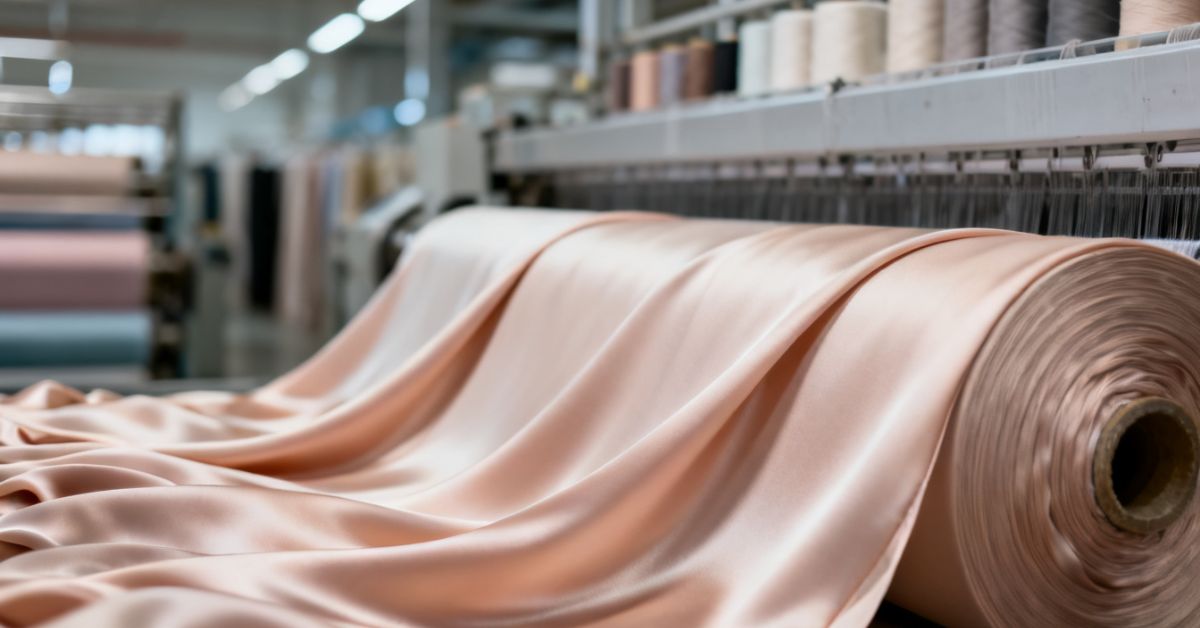
Viscose is one of the most widely used raw materials in the global textile industry yet many consumers don’t fully understand what it actually is. Often marketed as “rayon”, this semi-synthetic fibre bridges the gap between natural and synthetic textiles, offering the softness of cotton, the elegance of silk, and the affordability brands love.
But is it sustainable? Is it durable? And why has it become such a dominant material in fashion, home textiles, and industrial fabrics?
In this comprehensive guide, you’ll discover 7 essential things you need to know about viscose fibres, including how they’re made, their advantages and disadvantages, environmental impact, and how they compare to other fabrics. Whether you’re a fashion brand owner, textile buyer, designer, or conscious consumer, this article will give you practical insights to make informed decisions. Let’s explore everything you need to know.
What Is Viscose and Why Is It So Popular?
Viscose is a semi-synthetic fibre derived from natural cellulose, usually extracted from wood pulp such as beech, pine, or eucalyptus trees. Although it originates from natural materials, it undergoes chemical processing, which places it between natural fibres (like cotton) and synthetic ones (like polyester).
Key Facts
- Also known as rayon in many countries
- Made from regenerated cellulose
- First developed in the late 19th century as a silk alternative
- Known for its smooth, soft texture
- Highly breathable and lightweight
It gained popularity because it mimics the luxurious feel of silk at a fraction of the cost. It drapes beautifully, absorbs moisture well, and dyes easily making it ideal for vibrant fashion pieces.
Why the Textile Industry Loves It
- Affordable raw material
- Easy to blend with cotton, polyester, or spandex
- Versatile across apparel and home textiles
- Comfortable in warm climates
From summer dresses and blouses to curtains and upholstery, it has become a staple in modern fabric production.
How Is Viscose Made? (Step-by-Step Process)
Understanding how it is produced helps clarify why it’s classified as semi-synthetic. The production process involves chemically treating natural cellulose to transform it into fibre.
The Manufacturing Process
- Wood Pulp Extraction: Trees are harvested and processed into purified cellulose sheets.
- Chemical Treatment: Cellulose is treated with sodium hydroxide to form alkali cellulose.
- Xanthation: Carbon disulphide is added, creating cellulose xanthate.
- Dissolving: The substance is dissolved into a thick liquid solution.
- Spinning: The solution is pushed through spinnerets into an acid bath, forming fibres.
- Washing and Finishing: Fibres are washed, stretched, and processed into yarn.
Why the Process Matters
- Uses chemical solvents
- Requires energy and water
- Impacts sustainability rating
- Determines final fibre quality
Modern closed-loop systems significantly reduce chemical waste, improving environmental performance. For reference, the European Commission Textile Strategy emphasises improved chemical management in regenerated fibres
7 Essential Characteristics
To truly understand viscose, you need to know its defining properties.
- Soft and Smooth Texture: Feels similar to silk or cotton.
- Excellent Drape: Flows beautifully in garments.
- Highly Breathable: Allows air circulation, ideal for summer clothing.
- Moisture Absorbent: Absorbs more moisture than cotton.
- Vibrant Dye Affinity: Holds colour exceptionally well.
- Lightweight: Perfect for layered garments.
- Biodegradable (Under Certain Conditions): Because it’s cellulose-based.
However, It also has limitations:
- Weak when wet
- Wrinkles easily
- May shrink if not cared for properly
Understanding these properties helps designers choose the right applications.
Viscose vs Other Fabrics
How does it compare to other popular textiles?
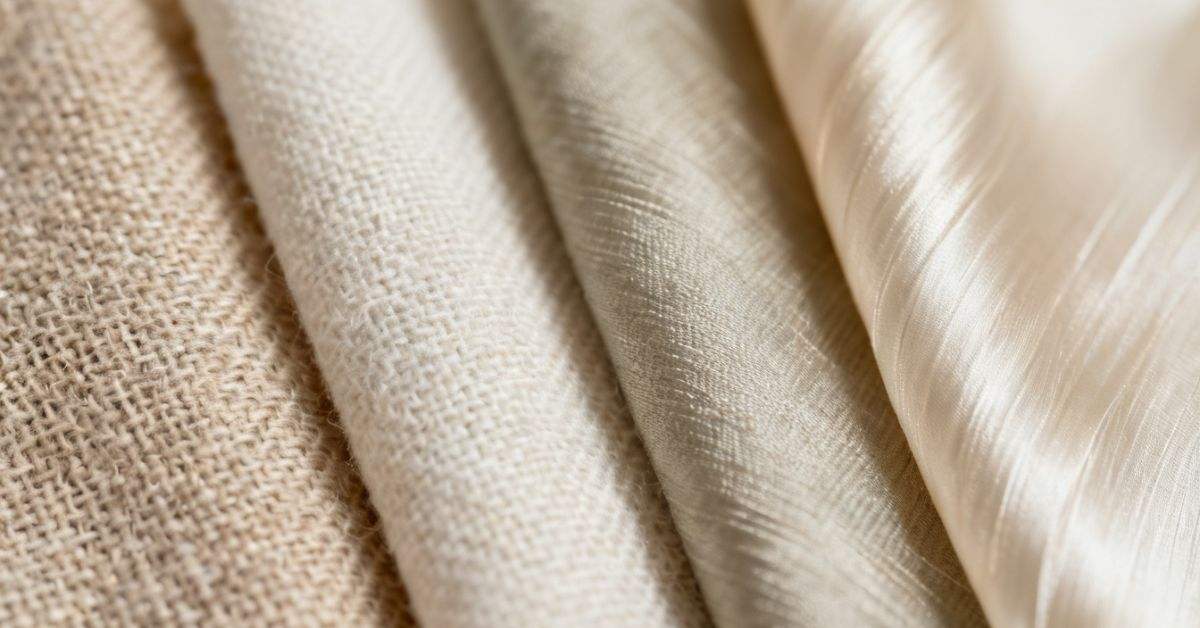
| Feature | Viscose | Cotton | Polyester | Silk |
| Origin | Regenerated cellulose | Natural fiber | Synthetic | Natural protein |
| Breathability | High | High | Low–Medium | High |
| Cost | Affordable | Moderate | Low | Expensive |
| Durability | Moderate | High | Very High | Moderate |
| Eco Impact | Medium | High water use | Petroleum-based | Resource-intensive |
| Wrinkle Resistance | Low | Medium | High | Low |
Key Takeaways
- More affordable than silk
- More breathable than polyester
- Less durable than cotton
- More elegant drape than most fibres
This makes particularly popular in fashion-forward yet cost-sensitive markets.
Environmental Impact: Is Viscose Sustainable?
One of the most debated topics around it is sustainability. Since it originates from wood pulp, it is technically renewable. However, the environmental footprint depends on:
- Forest sourcing practices
- Chemical management
- Water consumption
- Waste treatment
Environmental Concerns
- Deforestation risks
- Toxic chemical discharge (carbon disulphide)
- Water pollution
Sustainable Improvements
- FSC-certified wood pulp
- Closed-loop production systems
- Eco-friendly alternatives like Lyocell
Organisations such as CanopyStyle promote responsible sourcing of forest materials. Sustainability varies widely between manufacturers making supply chain transparency essential.
Where Is Viscose Used in the Textile Industry?
Its versatility makes it highly valuable across sectors.
Apparel Applications
- Dresses and skirts
- Blouses and shirts
- Loungewear
- Lingerie
- Activewear blends
Home Textiles
- Curtains
- Upholstery fabrics
- Bed linens
Industrial Uses
- Nonwoven wipes
- Medical textiles
- Hygiene products
Its ability to blend with cotton, elastane, or polyester enhances stretch, durability, and comfort.Many fast-fashion brands rely heavily on it because it offers premium aesthetics at accessible prices.
Advantages and Disadvantages of Viscose
Let’s evaluate both sides clearly.
Advantages
- Luxurious feel
- Breathable and cool
- Affordable
- Beautiful drape
- Dye-friendly
Disadvantages
- Weak when wet
- Wrinkles easily
- Can shrink
- Chemical-intensive production
Understanding both strengths and weaknesses ensures realistic expectations for garment care and longevity.
Viscose in Fast Fashion vs Sustainable Brands
Here’s how different sectors approach viscose.
Case Study Comparison
| Brand Type | Approach to Viscose | Sustainability Focus |
| Fast Fashion Brand | Cost-driven sourcing | Minimal transparency |
| Premium Brand | FSC-certified pulp | Supply chain audits |
| Sustainable Brand | Closed-loop | Environmental reporting |
Real Example
- Produced in high volumes with a lower cost focus.
- Produced using solvent recycling systems that reuse up to 99% of chemicals.
The difference lies not in the fibre itself but in how it’s made.
How to Care for Viscose Fabrics
Proper care significantly extends garment lifespan.
Washing Tips
- Use cold water
- Select a gentle cycle
- Avoid heavy spin
Drying Tips
- Air dry flat.
- Avoid tumble drying
- Do not wring
Ironing
- Use low heat
- Iron inside out.
Because it weakens when wet, careful handling prevents fibre damage.
Future in the Textile Industry
The future of it depends on sustainability innovation.
Emerging Trends
- Closed-loop manufacturing
- Certified forest sourcing
- Bio-based chemical alternatives
- Transparent supply chains
As consumers demand eco-friendly fabrics, manufacturers are investing in cleaner production technologies. According to the Textile Exchange Market Report, demand for responsible man-made cellulosic fibres is increasing globally. Viscose will likely remain a key material, but in improved, more sustainable forms.
FAQs
Is it a natural or synthetic fibre?
It is semi-synthetic. It comes from natural cellulose but undergoes chemical processing.
Is it better than cotton?
It depends. Viscose drapes better and feels silkier, while cotton is more durable and easier to maintain.
Does viscose shrink after washing?
Yes, it can shrink if exposed to heat or improper washing conditions.
Is it environmentally friendly?
It can be, if produced responsibly using certified wood pulp and closed-loop systems.
Is it good for summer?
Yes. It’s breathable, lightweight, and moisture-absorbent ideal for warm climates.
Conclusion
It has earned its place as one of the most important fibres in the textile industry. It offers the softness of silk, the breathability of cotton, and the affordability brands require making it a versatile and highly desirable fabric.
However, understanding how it’s made, its strengths and weaknesses, and its environmental impact is essential for making informed choices. Whether you’re a fashion designer sourcing materials, a retailer selecting inventory, or a consumer building a wardrobe, knowledge empowers better decisions.
As sustainability becomes central to textile production, responsibly produced viscose will play a major role in shaping the future of fashion. If you’re interested in learning more about sustainable fibres or textile innovations, explore trusted resources like Textile Exchange and the European Commission’s textile sustainability strategy.
